 The mark of excellence for menopause at work
 Menopause support for individuals
 Workplace training network
How can organisations future-proof their practices?
Huge progress has been made in the UK in terms of menopause support at work. One in four employers now has a menopause policy and nearly half are taking action. Great statistics that show we’ve come a long way in a few years.
But there’s still work to be done. With a constantly evolving global employment landscape we need to make sure that employers are ready to tackle change head on, set up for success in the future and not stumbling as the shape of their organisation shifts.
Vivienne Meredith, Partner at Positive Momentum, chaired a hugely interesting and illuminating discussion with key figures from the business community to find out their insights and learnings to prepare for the years ahead.
She spoke with Morag Lynagh, Global Future of Work Director at Unilever, Vicky Bawa, Head of Diversity and Inclusion at BAE Systems and Sue Brooks, CEO of Imagine Talent. They were also joined by Deborah Garlick, CEO of Henpicked: Menopause in the Workplace.
They discussed the impacts of our ageing demographic, the skills shortage for recruiters and how organisations of all shapes and sizes can navigate challenges yet to come.
“There are lots of strong forces shaping the workforce of tomorrow,” says Morag. “At Unilever, we’re focusing on three key areas in this respect. The first is the ageing demographic in our population. The second is the ongoing need for flexibility, from us as an organisation and from our people. And the third tackles talent shortages, exploring ways to make sure we have access to the right skills and talent.
“These are dynamics we’ll see for some time. The ageing demographic is already impacting the world of work, with the number of people with elder care responsibilities overtaking the number of people with childcare responsibilities. And there are increasing numbers of older people in the workplace.
“The world is changing and we have to adapt and change with it. Post-Covid, workers are increasingly looking for things like hybrid working and less commuting, and organisations need to be flexible to meet these needs if they want to attract in talented people.”
Sue agrees with this point, citing shorter working weeks as another thing many employees are looking for.
“We know that there are large proportions of our working-age population who are not participating in work and there’s an opportunity for us to reimagine the workplace to entice them back. We can see new models of employment being experimented with – from a menopause perspective, it’s things like more flexibility and putting accountability back into the hands of the employee.”
The power of culture change
Deborah is a big believer that cultural change is the most significant in terms of menopause.
“For most organisations, it’s about keeping the drumbeat going. Not a once-and-done approach, but a constant listening and engagement, making sure significant cultural change is fully embedded right across the organisation. You might have a policy but not everyone knows it’s there. We live in world of scrolling, people flick past things and think they’re not relevant to them. Most of our employers who have received The Menopause Friendly Accreditation have policies and guidance in place but they realise it can be a sensitive subject which takes time to engage people in.
“Upskilling people is also key. Line managers can feel very nervous about having conversations and they don’t want to offend anyone. But equally, they’re not doctors and aren’t going to be expected to give clinical advice. They need to understand how menopause can impact at work, and how they can support those that might be struggling.
“The UK really is leading the way in this, perhaps it’s one of our more unusual exports but the rest of the world is looking to us for best practice and we want to help them too.”
What can we learn from existing insights?
Organisations are all unique, and the right support in one won’t be right in another. But there are still learnings to be gleaned from those that have successfully implemented menopause initiatives.
Morag says that Unilever has a long-term ambition to be a leading employer for all generations, creating an environment where older workers feel valued.
“It’s a work in progress but we’ve already implemented some changes,” she says. “One of the first things we did years ago was to take a step back and look at our policies and benefits, to see if they were relevant across the generations.
“That was when we introduced our menopause guidance, added menopause support to our private healthcare offering and started to introduce other services to our older workers. This included helping them to manage their elder care responsibilities.
“We also recognised that as people move through their career they start to want different things from their working lives. We’ve rolled out a programme across the UK enabling our workers to take control of what they want from work. And we’ve introduced a new type of employment contract, called U-Work, which gives people a committed income each month and they work with us on an assignment basis. This then gives them the freedom to see family, travel, study or spend their time in any way they choose.”
Vicky explains how the ageing demographic is impacting in the aerospace sector. “We’re very male dominated, but even so have around 6,000 women of menopause age at our business. We’ve been thinking about how we can reshape job roles and workflows so employees can give their best, contribute and feel valued.
“We have very traditional roles within our organisation and it was a challenge to shift that working environment. For us, it was starting with education and awareness. We realised the importance of upskilling to be competitive and attract and invest in people.
“We refused to make this a tickbox exercise. We’ve been bringing our people on the journey with us for the last few years, looking at our health and wellness programmes and support on offer to our employees. When the pandemic hit, I think we all re-evaluated. Now we have people used to hybrid working and we recognise we have to be flexible.
“Since bringing in our menopause support, we’ve had people tell us they would have left otherwise and they didn’t think a male-dominated company would do what we’ve done. This is great to hear. We’ve continued with our rollout and are now starting to influence others, such as our suppliers.
“It’s always interesting to see how many men attend our events, then ask for more information. There’s no silver bullet, it’s about finding what works for you and being willing to adapt and be flexible in your approach.”
Deborah agrees that it’s great to draw best practice ideas from other organisations and shape them to fit your own.
“Each organisation has its own leadership style, culture, job roles , and you need to take on board all of this in your approach. How can you reach everybody? There might be some workers in an office and others on the shop floor, for example.
“It always bothers me when I hear about people leaving work due to menopause. We’re currently looking at returner programmes, with organisations supporting people back into the workplace and in turn getting talented people in their business. Showing you will support menopause is actually a great way to attract people in, as they know that if they hit a bump in the road they will be supported.”
Sue also commented on this point, remarking that policy is almost becoming an industry in itself, and ‘policy fatigue’ could stand in the way of good intentions.
“I think policy on its own won’t make a substantial difference, it’s about changing practices,” she says. “It’s about managing the whole cultural shift, putting autonomy and choice at the heart. Across the whole workplace demographic, workers have their own challenges and balances to find, and if business owners and employees can work together to co-design their shared future and navigate change together, we’ll all feel a sense of belonging and real hope for the future of our workplaces.”
Small steps, big change
While it’s clear that organisations need to find their own unique approaches, our panel each told us the one thing they’d recommend organisations take into account.
For Morag, it was about ‘show don’t tell’. “Take action. Do something. If you’re thinking about future work, how do you help that demographic, what are the small steps you can take and do consistently to make a real difference?
Vicky believes taking a holistic approach can lead to true cultural shift. “People aren’t looking for a job for life any more, they move quickly if they don’t like the experience and there’s no getting them back once you’ve lost them. Menopause isn’t just a physical transition, it’s emotional, social, mental – we need to look at all aspects and how we can support them in the workplace.”
Deborah says that while the whole hosts of benefits menopause support can bring to organisations act as a ‘carrot’, wise employers will also take into account the ‘stick’ of employment law.
“Menopause is protected under employment law, under the characteristics of age, sex and disability. Employers also have other obligations around health and safety. We’re seeing a significant increase in the number of tribunals, which nobody wants. Employers need to consider how well they’re looking after their employees’ wellbeing as part of their legal responsibilities, as well as because it’s the right thing to do.
Sue feels that listening is the key to unlocking change. “As we listen, share and understand, we can create environments that accommodate all needs, working together to create a shared outcome that’s best for everyone in our workplaces. All it takes is the right mindset and a willingness to be human.”
All agreed that being menopause friendly isn’t just for large organisations, but in many cases these are the ones with the people and resources to break new ground first. Meaning they can offer best-practice examples which can be curated into smaller organisations.
The group also highlighted how bringing menopause to the fore as an open topic of conversation has given the green light to talking about other previously taboo subjects, such as menstruation at work.
Keeping the drumbeat going, continuously improving and working to shift cultures, hearts and minds… for our workforce today and our worforce of the future.
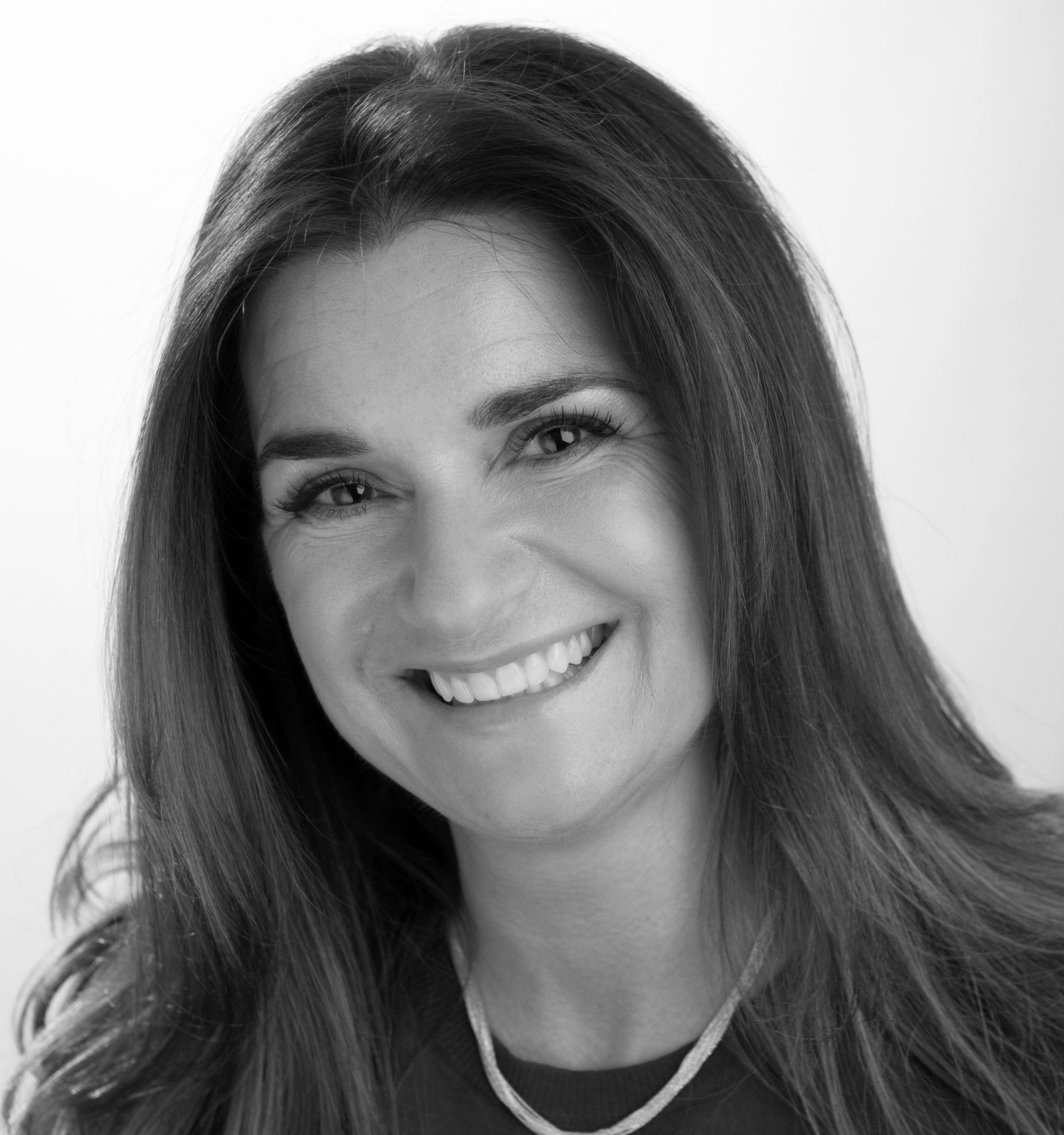
Deborah is passionate about helping women live better lives by educating on the facts about menopause. She’s the CEO at Henpicked: Menopause in the Workplace and author of Menopause: the change for the better. And also founder of Henpicked.net.

