 The mark of excellence for menopause at work
 Menopause support for individuals
 Workplace training network
As research into how neurodivergent people experience menopause continues, organisations can take steps right now to help support these colleagues.
Funded by the Menopause Friendly Employer Awards and conducted by researchers at Bournemouth University, the raft of research projects seeks to unpick both the experiences of neurodivergent people at menopause and the ways they can be supported.
Dr Rachel Moseley and Ms Eunhee Kim gave us some background into their research and findings so far, as well as some tips for employers to consider.
What is neurodiversity?
We can think of it in a similar way as biodiversity. The Earth supports many different life forms, which all thrive in many different environments. Neurodiversity is like this, but with our brains. There are lots of different brains and environments which suit these brains. While no two people are identical, most people have brains and minds that are similar enough they can relate easily to each other. But for others, their brains work markedly differently. The way they think, communicate, experience and interact with the world is all different, and these people are known as neurodivergent.
It’s important to understand this isn’t an illness – simply part of who they are.
What are the forms of neurodivergence?
Learning difficulties affect specific cognitive functions (e.g. reading with dyslexia). But neurodivergence is more global, affecting everything in a person’s life.
Attention Deficit Hyperactivity Disorder (ADHD) is characterised by two features: inattentiveness and hyperactivity. Sometimes they show up together, other times people may only have one of these strands. The name is quite misleading: people don’t have a deficiency of attention, but they struggle to control it.
These inattentive features can be impairing, as they’re not visible and are poorly understood. Many people try to hide these difficulties and it can be exhausting.
The flip side, hyperfocus, can send people almost into a black hole where they’re lost to the world around them. While these can be productive times, they can’t be switched on or off at will.
People might fidget a lot, struggle to sit still, or interrupt and talk over people. They are also often trying to keep these impulses in check, so observers aren’t aware.
Autism is characterised by differences in the way a person communicates, both verbally and non-verbally, such as eye contact, gesture and body language. A key feature of autism is a difference in social imagination: essentially, the ability to understand what people around them may be thinking and feeling, and to understand all the rippling social repercussions of things we do and say.
Autism and ADHD also share a lot in common, presenting as hypersensitivity to light, sound or touch. Conversely, people may be low in sensory perception, for example not knowing if food is off.
They also tend to experience emotions as big, overwhelming and difficult to control. This can affect them at school, in adult life, in relationships and in the workplace. Unfortunately, they are often excluded or victimized and can have very low self-worth. Many people struggle with their mental health and experience stress-related health conditions. It’s common for people to ‘mask’ their neurodivergence in order to try and fit in and be accepted by others.
Why does neurodiversity matter in the context of menopause?
Because menopause is a neurological transition point, a time when the brain undergoes structural and functional re-organisation due to hormonal changes.
We know that people assigned female at birth tend to have better wellbeing when their oestrogen levels are higher. Low levels of oestrogen can have an effect on cortisol, the stress hormone, which means we are more reactive to stress during menopause and can struggle to cope.
Menopause symptoms are often more severe in people with poorer physical and mental health and life trauma. Essentially, it’s a vulnerable time for anyone with neurological differences.
How might menopause be challenging for neurodivergent people?
Studies so far suggest that neurodivergent people are very sensitive to monthly and life-course hormone fluctuations. They’re more likely to suffer from pre-menstrual dysphoria and painful periods, and for some their emotions are difficult to control during this time. They can also be at a higher risk of self-injury and suicidal thoughts. Neurodivergent features can be heightened, too – so they might find it harder to focus and control their attention, and/or are totally overwhelmed by sensory sensitivities.
Menopause affects several areas which are already difficult for neurodivergent people, like cognition, memory and attention. It also affects emotions, which are also a problematic area. Symptoms of menopause such as hot flushes may also inflame sensory sensitivities, which are one of the core neurodivergent features.
Autistic people tend to have poorer educational experiences, so might miss out on proper reproductive education while growing up. They can become increasingly isolated as they age so might miss out on information about menopause and support from close friends or family members.
Many neurodivergent people don’t know they’re neurodivergent when they reach menopause. Autism has been historically undiagnosed in girls and people assigned female at birth – although this is gradually improving, previous generations wouldn’t typically have been diagnosed as children. And as they reach the menopausal transition, they might experience symptoms that do not resemble with what they have heard – they might feel more intense symptoms, their existing autistic characteristics heightened, or new characteristics developing (e.g. sensory sensitivities). Without having known that they are neurodivergent, they might become more confused by how much their menopausal experience differs from that of others.
We also know that autistic people can experience difficulties accessing healthcare so they may not get appropriate information from their doctor or feel hard to express their difficulties. They often experience complex, long-term trauma and chronic stress. Plus, autistic people and ADHDers are more likely to be transgender or gender-divergent, which can make menopause more difficult. A combination of these factors can impact autistic people to find their menopause particularly more challenging.
What does the research tell us so far?
Studies found that autistic people often entered menopause with little knowledge about what to expect. In some cases, they expected certain symptoms like hot flushes, but didn’t anticipate how they would feel and what repercussions they might have. Some people were frightened and confused about what was happening to them as it didn’t match with what they’d heard from other people.
Autism affects menopause and menopause affects autism, exacerbating things people were previously struggling to cope with. Some autistic people said that the experience of menopause absolutely floored them, they couldn’t function or leave the house. Many lost the skills they’d previously depended on for independence and self-worth, like job skills such as being able to hyperfocus. This is really important as a lot of neurodivergent people have very low self-worth and pin their identity on their job and productivity. For some, it derailed their health and lives to such an extent they were actually diagnosed during that time.
Autistic people seem to have a lot of the same physical experiences as neurotypical people, such as hot flushes and night sweats. But they also experience a broader range of cognitive, emotional and sensory symptoms. Cognitive symptoms affected their ability to manage multiple tasks. People found it much harder to look after themselves or be independent enough to manage everyday life. Some lost their jobs, fell into financial arrears, or became dependent on partners or elderly parents, again damaging their self-worth and self-esteem. Others felt their challenges controlling attention went off the charts and reported being exhausted.
Most people had already developed extensive coping strategies. Sadly, they found these just didn’t work as well during menopause. They were much more affected by stress and extreme emotions. Some had meltdowns or depression, and there were greater self-injury and suicide attempts.
Some reported feeling less capable of social interaction and feeling overwhelmed. They struggled to communicate their distress to doctors and loved ones, which in turn led to them feeling more isolated.
Menopause representations
Dr Moseley, Professor Gamble-Turner (another member of the research team) and Ms Kim are running a study called “Understanding health and wellbeing during menopause”, looking at whether menopause representations explain why autistic people experience a harder time during menopause than non-autistic people.
‘Menopause representations’ is a term referring to the thoughts, feelings and beliefs about menopause which people build, which guide their coping strategies to deal with health struggles or threats related to menopause. People build these representations by accumulating information about menopause, across the lifespan, throughout various sources such as media, close peer and their own experiences. This research anticipated that autistic people might have more negative menopause representations than non-autistic people, taking into account that they might already be vulnerable to having poor mental health, quality of life and negative life experiences.
Their initial outcomes suggest that neurodivergent people are more prone to having negative representations in “control” and “coherence” aspects. This means that autistic people tend to feel less in control and have less coherent understanding about menopause than non-autistic people. The outcomes also indicate that the autistic people with less perceived control and coherence experience greater menopausal symptoms and poorer quality of life and mental health.
Supporting neurodivergent people in the workplace
There will be some shared challenges between neurotypical and neurodivergent people, but the latter often find symptoms and difficulties are more extreme. This means you may need to adapt your existing menopause support.
We’re still waiting for key insights and results in this area. But listening is one of the biggest ways you can show support, asking people what might help them in the workplace, and being patient and helping them if they need support to figure this out.
Reasonable adjustments may not necessarily be for menopause symptoms, but rather for aspects of ADHD or autism which didn’t previously need support (e.g. inattentiveness which has been heightened by menopause).
Many people at this stage are newly diagnosed, seeking a diagnosis, and/or having to come to terms emotionally with a new identity. This can be monumental, and there’s a great need for compassion.
Don’t always expect or demand a diagnosis. These can take years through the NHS and be inaccessible or unaffordable privately. It’s essential that you believe your employees if they think they’re neurodivergent – research suggests that perhaps 1-2% of the UK population are autistic people who are undiagnosed.
Take a person-centred approach which is ongoing and flexible, a collaboration between you and your employee rather than a box to tick. It will likely be a case of trial and error, tweaking reasonable adjustments to find out what works best and what needs changing or fine tuning over time.
The research so far is telling us that menopause is a difficult time for lots – although not all – of neurodivergent people. The most important thing is to treat each employee as an individual, offering the right support to help them do their job well and be their best in the workplace.
Get in touch today for details of our Masterclass on Menopause and Neurodiversity!
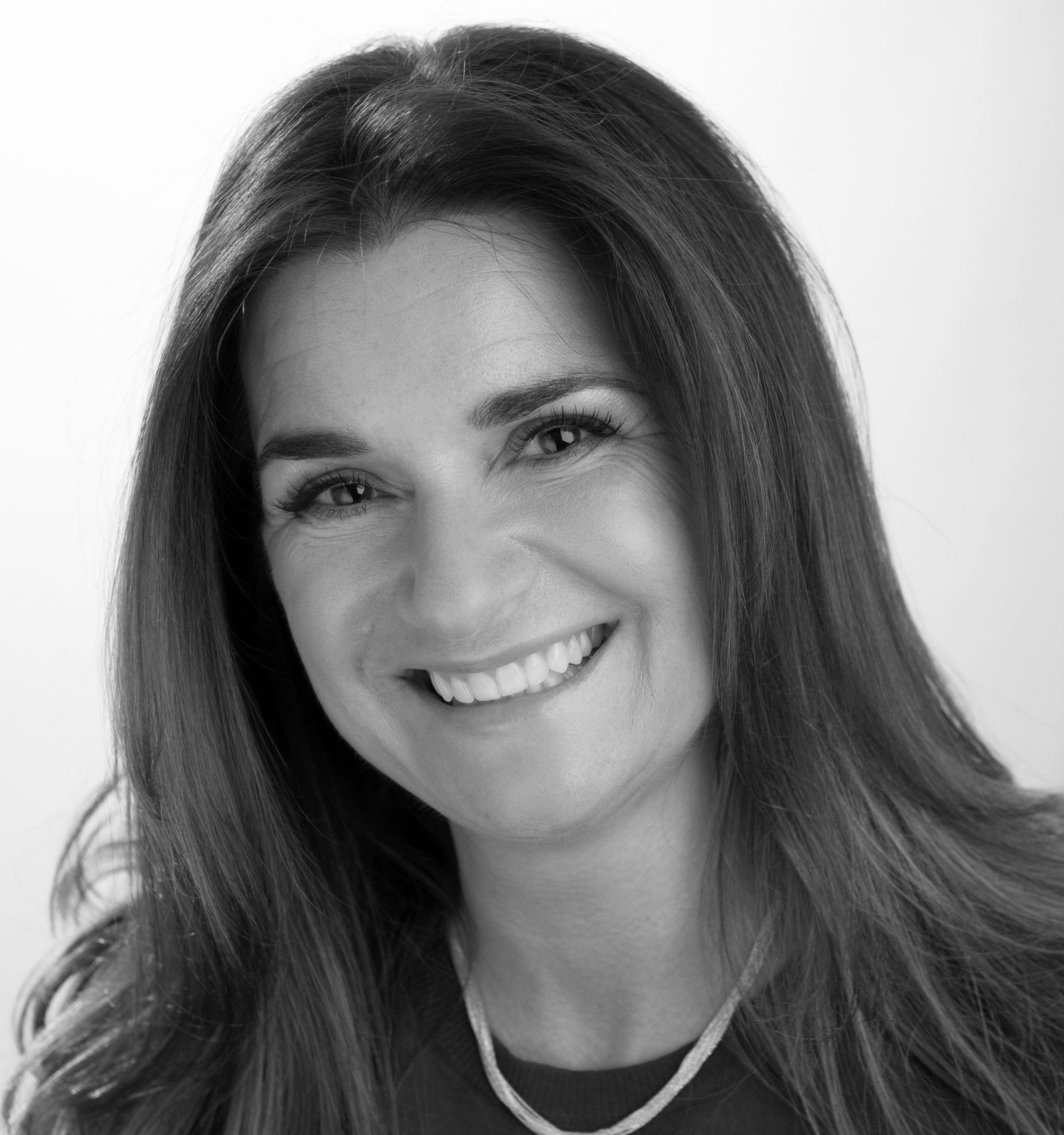
Deborah is passionate about helping women live better lives by educating on the facts about menopause. She’s the CEO at Henpicked: Menopause in the Workplace and author of Menopause: the change for the better. And also founder of Henpicked.net.

